How to Play Duels
The Arena's challenge: their hex, their game, their posted score — your run against all three. Nothing here costs a daily run, and nothing here is safe.
The Duel
A Duel takes one hex. You replay the ZapStack posted on it, and your run is measured against the Charge the owner set — their correct count first, their time as the tiebreaker.
Win, and the hex arrives with your run on it: your Charge, your Volts, your name. Below: a real Duel, first tap to conquest, on camera.
- 1On an Arena, pick an enemy hex that touches your land and choose Duel.
- 2You replay the exact ZapStack living on that hex — every question, no shortcuts.
- 3Beat their correct count and the hex flips to you on the spot.
- 4Match their count — the faster total time takes it.
- 5Anything less, the owner keeps it. Ties go to whoever got there first.
- 6Duels are free: no daily limit, as many as your borders allow.
The rules of attack
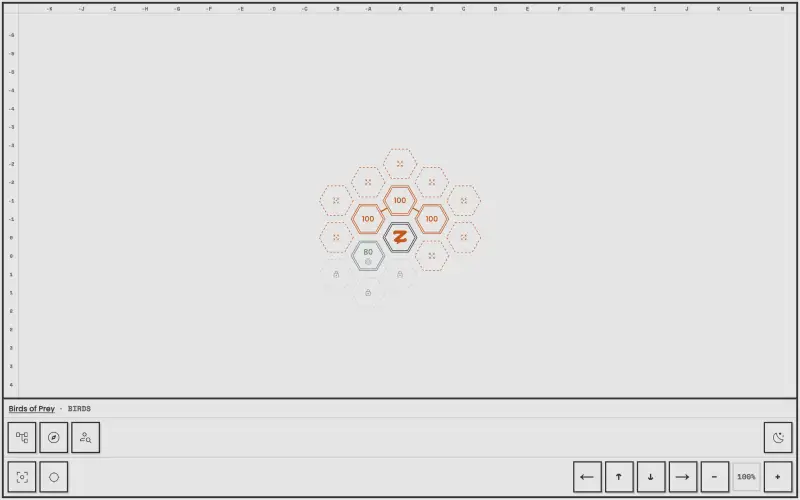
Duels are border warfare. The map decides who you can reach: every enemy hex touching your territory is a live target, and everything beyond it isn't — yet.
That makes every claim double as an approach. Want a hex two rings away? Take the ground between you first.
- 1You need at least one hex of your own on that Arena — no ground, no Duels.
- 2The target must touch your land. Duels travel along borders.
- 3A hex that's in play can't be touched — whatever's running on it finishes first.
- 4One challenge per hex at a time. If someone else got there first, you wait.
- 5The score you fight is frozen when you start — the Charge as posted, not a moving target.
- 6Hexes left behind by deleted players belong to ZapBot — same Duel, but its score is frozen forever. It never fortifies, never improves.
Winning and losing
A won Duel settles instantly — no cooldown, no confirmation step. The hex changes color, your run becomes its new Charge, and the Volts it carried now count for you, clustering bonus included.
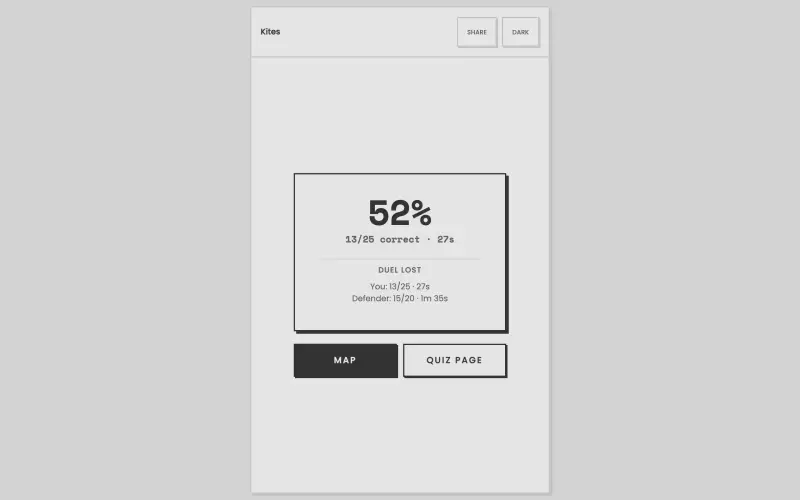
A lost Duel pays nothing. The hex stays put, and unlike every ZapRush challenge, the run's Volts don't bank — Duels are the one game where only winning counts. Quitting halfway is just a slower way to lose. Either way, the owner hears about it from the bell.
Defending
There's no defend button. The score you posted is your defense, and the system runs the comparison without you — you don't need to be online. The time to defend was earlier, when you set the number.
A 90 Charge is a fortress; a 40 Charge is an invitation. Replay your weak hexes before someone else notices them. If a Duel goes against you, the transfer is already done by the time the bell rings — no appeal, but no dead end either.
Because losing a hex is never the end. The way back is the same Duel, pointed at your old ground — that's the next chapter.